If you are thinking about buying a condo in the French Quarter or CBD, you are probably weighing more than price alone. In these two New Orleans neighborhoods, the right purchase is often about walkability, building character, monthly ownership costs, and how a specific property fits the way you want to live. This guide will help you understand the market, the tradeoffs, and the due diligence that matters most before you write an offer. Let’s dive in.
Why buyers look here
The French Quarter and CBD offer something many buyers want but cannot easily find elsewhere: a highly walkable lifestyle in the middle of New Orleans history, architecture, dining, and daily convenience. Current market data shows a Walk Score of 97 in the French Quarter and 93 in the CBD, which helps explain why condos here remain in demand.
That walkability shapes what you get for your money. In these neighborhoods, buyers are often paying for location, access, and architectural character more than oversized floor plans, large yards, or abundant parking. If your priority is living close to the rhythm of the city, that tradeoff may feel well worth it.
What condo prices look like
Current listing data shows about 145 condos for sale in the French Quarter at a median listing price of $399K and about 165 condos for sale in the CBD at a median listing price of $445K. On the sales side, reported median sale prices are about $425K in the French Quarter and $442.5K in the CBD.
Some data sources combine the French Quarter and CBD into one market, which can make direct comparisons a little messy. Redfin’s combined French Quarter-CBD area shows a median sale price of $460K, up 5.6% year over year. The clearest takeaway is that well-located condos in this part of New Orleans often land in the mid-$400Ks, with smaller or older units sometimes below that range and upgraded or full-service buildings often above it.
French Quarter vs CBD feel
French Quarter character
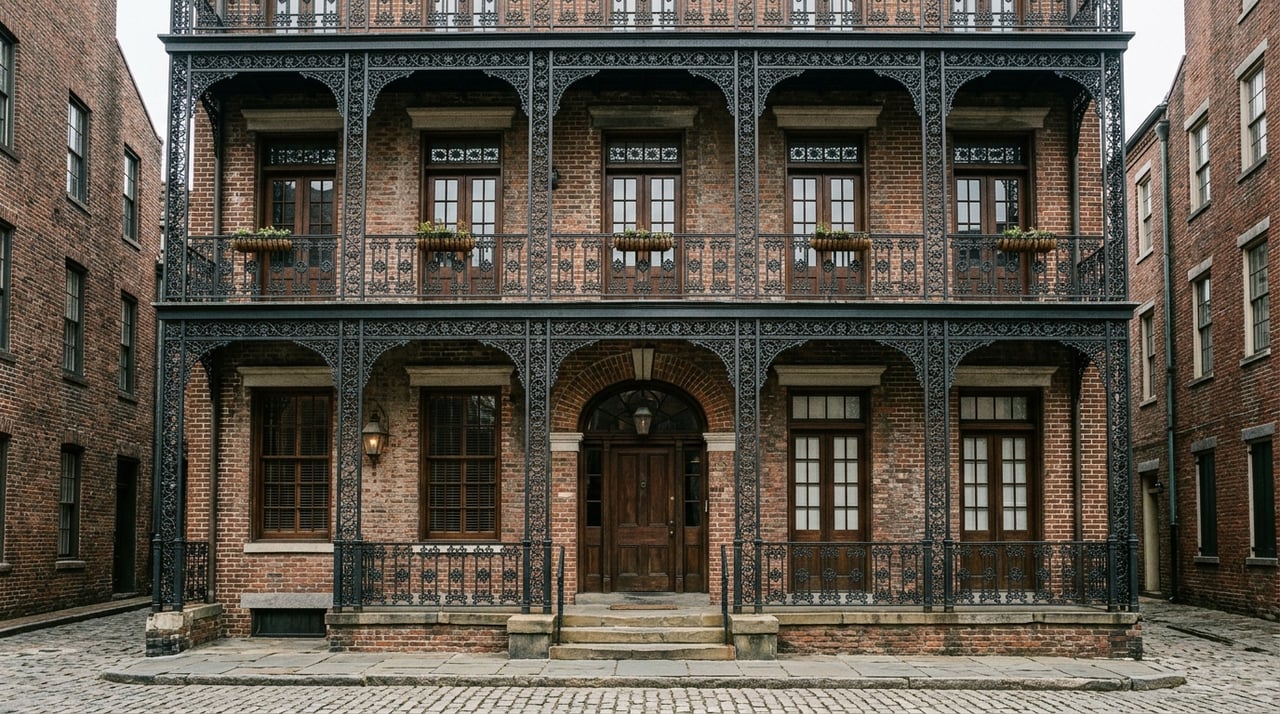
In the French Quarter, condo inventory often reflects the area’s historic building stock. You may see smaller footprints, more varied layouts, interior courtyards, balconies, and one-of-a-kind details that are hard to duplicate in newer construction. That uniqueness is part of the appeal, but it also means two condos at a similar price can feel very different in layout, condition, and day-to-day function.
The French Quarter is especially compelling if you value atmosphere, architecture, and being able to step outside into one of the city’s most established neighborhoods. At the same time, buyers should expect more constraints around exterior changes and, in many cases, more limited parking options.
CBD convenience
The CBD often gives buyers a somewhat different condo experience. Inventory may include adaptive-reuse historic buildings as well as more service-oriented buildings with amenities such as rooftop pools, fitness centers, business lounges, dog-walk areas, and self-park or valet options.
If you want a lock-and-leave lifestyle, elevator access, or more building amenities, the CBD may offer more options that fit that goal. The tradeoff is that buildings with broader amenity packages can also come with more complex operating budgets, reserve planning, and HOA structures.
Why HOA dues matter so much
A common mistake is comparing condo dues by headline number alone. In Louisiana, resale disclosures for condos must include information such as current common expense assessments, approved capital expenditures, reserve balances, recent financial statements, the current budget, pending judgments or suits, association insurance coverage, and any ground-lease term.
That matters because HOA dues are tied to the actual health of the building. A lower monthly due is not always better if reserves are weak or major work is looming. A higher due may make more sense if it supports stronger reserves, broader insurance coverage, or a building with more extensive shared systems and amenities.
What Louisiana law requires sellers to provide
For a resale condo, Louisiana law requires the seller to furnish key governing and financial documents. These include:
- The declaration
- The articles or bylaws
- A certificate showing current common expense assessments
- Approved capital expenditures
- Reserve balances
- Recent financial statements
- The current budget
- Pending judgments or suits
- Association insurance coverage
- Any ground-lease term
The law also says the resale contract is voidable until the certificate is provided and for five days afterward or until conveyance, whichever comes first. For you as a buyer, that creates an important review window to understand what you are really buying beyond the unit itself.
Historic review can affect ownership
One of the biggest practical differences in these neighborhoods is how historic review can affect changes to the building. In the French Quarter, the Vieux Carré Commission reviews exterior alterations, and city guidance says permits are required for any exterior alteration. The VCC also states that any change in exterior appearance triggers a hearing.
That means even projects that seem minor at first can require review. The city’s permit portal specifically lists a painting permit for the Vieux Carré district, which is a useful reminder that exterior work is rarely casual in this area.
What this means in the CBD
The CBD has its own review framework through the city’s Historic District Landmarks Commission system, which includes a Central Business District commission and ARC review. The city describes local historic districts as areas created to regulate, preserve, and protect historic districts and landmarks.
For buyers, the practical lesson is simple: if you hope to change windows, doors, lighting, balconies, facades, or roof elements, you should expect review timelines rather than quick approvals. That does not mean these buildings are harder to own, but it does mean you should understand the process before planning future upgrades.
Parking is a major condo question
Parking is one of the biggest lifestyle tradeoffs in both the French Quarter and CBD. New Orleans maintains 17 residential parking permit zones, and city parking materials identify the primarily residential areas of the French Quarter and Marigny as permit-zone areas.
Because these neighborhoods are highly walkable, many owners are comfortable with less car dependence than they would be in other parts of the region. Still, if you have a car, you should get very specific about the parking arrangement before you commit.
Ask how parking actually works
Do not stop at asking whether parking is available. Ask whether it is:
- Deeded with the unit
- Assigned by the association
- Leased separately
- Valet only
- First-come, first-served
- Not included at all
Those details can have a major effect on convenience, monthly cost, and resale appeal.
A smart buyer due diligence checklist
Before you make an offer, ask for the resale packet and start verifying the building’s status. New Orleans city tools allow users to search permits, licenses, planning projects, violations, zoning and district information, and building history.
This step matters even more in older and historically significant buildings, where ownership can involve layers of association rules, permitting history, and shared maintenance responsibilities. A condo purchase here should feel exciting, but it should also be document-driven.
Questions to ask before you buy
Use this checklist as part of your review:
- What are the current monthly dues, and what do they cover?
- Is there a reserve study, and how healthy is the reserve balance?
- Have there been recent or pending special assessments?
- Are any lawsuits, insurance claims, or major repairs pending?
- What does the master policy cover, and what deductibles apply?
- Is there a ground lease, and if so, how much time remains?
- Are rentals allowed, and are there caps or approval rules?
- What are the pet, smoking, move-in, and renovation rules?
- Is parking deeded, assigned, leased, or unavailable?
- Who is responsible for roofs, windows, facades, elevators, courtyards, and balconies?
- Does any exterior work require VCC or HDLC approval?
- Are there open permits, code issues, or unresolved violations?
How to think about value here
In the French Quarter and CBD, value is not just about square footage. It is also about location within the neighborhood, building condition, monthly carrying costs, parking structure, amenity mix, and how much historic complexity comes with the property.
That is why two condos with similar asking prices can represent very different ownership experiences. One may offer lower dues but more future maintenance exposure. Another may have a higher monthly payment but stronger reserves, better services, and a more predictable ownership structure.
The best condo is the one that fits your life
Some buyers want a tucked-away French Quarter residence with architectural character and a true historic feel. Others want a CBD building with elevator access, amenities, and a more lock-and-leave setup. Neither is automatically better. The right choice depends on how you plan to use the property, what level of maintenance complexity you are comfortable with, and which tradeoffs matter most to you.
As a New Orleans native, Kathryn Stalter approaches condo buying with both lifestyle and strategy in mind. If you want help comparing buildings, reviewing tradeoffs, and narrowing in on the right fit in the French Quarter or CBD, Kathryn Stalter can help you move forward with clarity.
FAQs
What is the typical condo price range in the French Quarter and CBD?
- Current data suggests many well-located condos in the French Quarter and CBD trade around the mid-$400Ks, though smaller, older, or less updated units may be lower and upgraded or full-service units may be higher.
What documents should a Louisiana condo seller provide to a buyer?
- For a resale condo, Louisiana law requires key documents including the declaration, articles or bylaws, and a certificate covering assessments, reserves, budget, financial statements, insurance coverage, pending suits, approved capital expenditures, and any ground lease.
What should buyers ask about HOA dues in a New Orleans condo building?
- You should ask what the dues cover, how strong the reserves are, whether special assessments are pending, what insurance the association carries, and whether the building has major repairs or capital work coming up.
What should buyers know about historic rules in the French Quarter?
- In the French Quarter, exterior alterations are reviewed by the Vieux Carré Commission, and city guidance says permits are required for exterior changes, so even smaller-looking projects may need formal approval.
What should buyers know about parking for condos in the French Quarter and CBD?
- You should confirm whether parking is deeded, assigned, leased, valet-based, first-come, or unavailable, because parking arrangements vary widely and can significantly affect convenience and ownership costs.