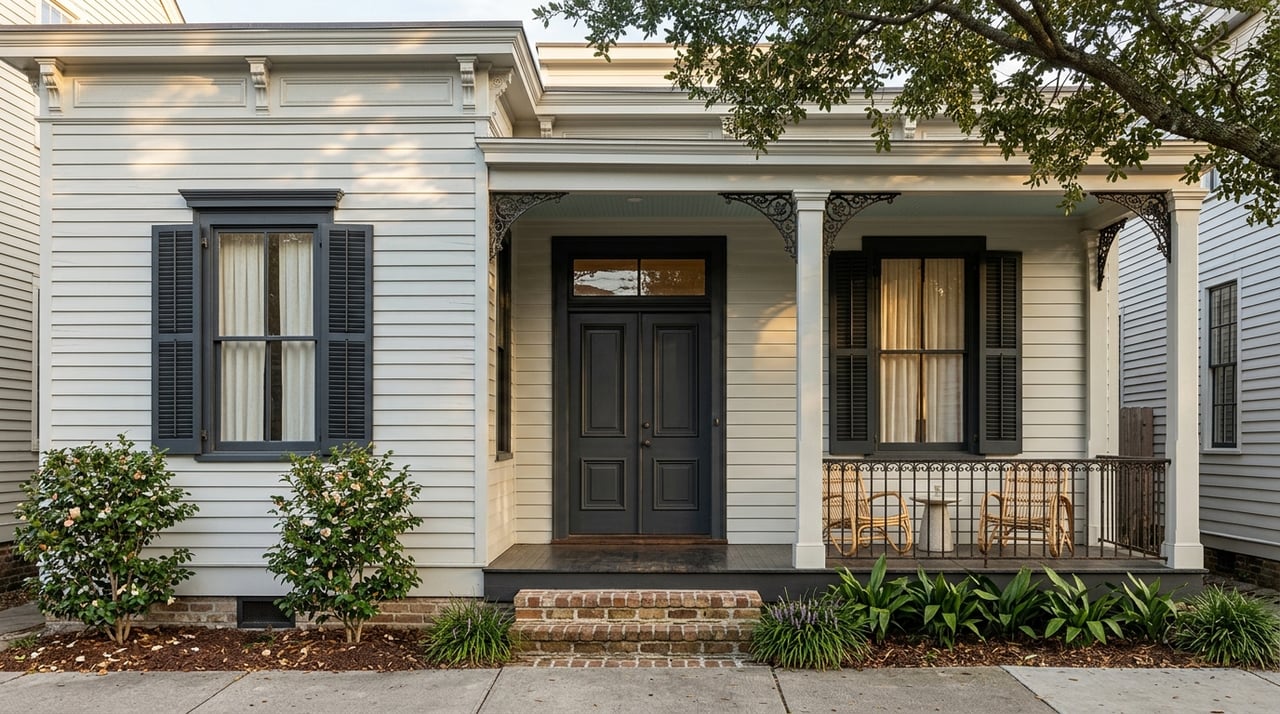
Moving to New Orleans can feel exciting and a little overwhelming at the same time. You may know the neighborhoods you want to explore, but the home descriptions can sound like a language of their own: Creole cottage, camelback, double-gallery, adaptive reuse. Once you understand those terms, your search gets much easier, and you can tour homes with a clearer sense of how each one might fit your lifestyle, renovation plans, and budget. Let’s dive in.
Why home style matters in New Orleans
In New Orleans, architecture is not just about curb appeal. Home styles are tied to the city’s history and often show up across multiple historic areas rather than in just one neighborhood.
That matters because style can tell you a lot before you even step inside. It can hint at the floor plan, how the home lives day to day, what kind of exterior upkeep you may face, and whether historic district rules could affect future changes.
For out-of-town buyers, learning the local vocabulary is one of the fastest ways to make the market feel more readable. Instead of scrolling past listings that sound unfamiliar, you can search smarter and ask better questions.
Creole cottages: compact and historic
Creole cottages are one of the earliest New Orleans house forms, with roots that likely trace to the West Indies. They were especially popular from the 1790s through the 1850s and are found in places such as the Vieux Carré, Faubourg Marigny, and New Marigny.
These homes are typically one story with a symmetrical four-opening front, a steep side-gabled roof, and an exterior of wood or stuccoed brick. A classic example uses a four-room plan around a central chimney.
As a buyer, that often means a compact footprint with rooms laid out in a more traditional sequence instead of a modern open-concept plan. If you love historic character and want a home that reflects early New Orleans architecture, this style is worth a close look.
Shotguns, doubles, and camelbacks
Shotgun houses are among the most recognizable home styles in New Orleans. They are long and narrow, with rooms arranged one after another and very little hallway space, and they were common from the 1830s through the 1940s.
A standard shotgun often feels efficient and connected, but it can offer less privacy and less closet space than newer homes. Many also include a front porch or stoop that creates a stronger connection to the street.
A double shotgun is simply two shotguns side by side. A camelback is a shotgun with a second story added at the rear, often used to gain more square footage while keeping the street-facing profile lower.
For out-of-town buyers, this is an important distinction. If you see “camelback” in a listing, you can expect the layout to still feel rooted in the shotgun form, but with more upper-level living space tucked into the back of the home.
Double-gallery houses and townhouses
If your search is pulling you toward Uptown, the Garden District, or the Lower Garden District, you may come across double-gallery houses. These are generally two-story homes set on low brick piers with covered galleries on both levels and an asymmetrical front.
This style is often associated with homes built between about 1820 and 1850. In practical terms, buyers may find more vertical living, a more formal front-facing layout, and generous porch space that shapes how the home connects to the outdoors.
You may also see townhouses described as American townhouses or Creole townhouses. The American townhouse is usually a narrow three-story brick or stuccoed-brick house common in areas like the CBD and Lower Garden District.
Creole townhouses tend to be older and are often associated with iron balconies and arched openings, especially in the Vieux Carré and Faubourg Marigny. If you are drawn to classic urban architecture and lower-maintenance outdoor space, townhouse living may be a strong fit.
Warehouse lofts and adaptive reuse
Some buyers come to New Orleans looking for historic character without wanting a traditional single-family house. In that case, Warehouse District lofts and other adaptive-reuse properties may stand out.
The Warehouse District has roots in port commerce, and many of its older buildings were originally mixed-use properties. Today, the area is closely associated with apartments, condominiums, the arts, museums, and an urban lifestyle.
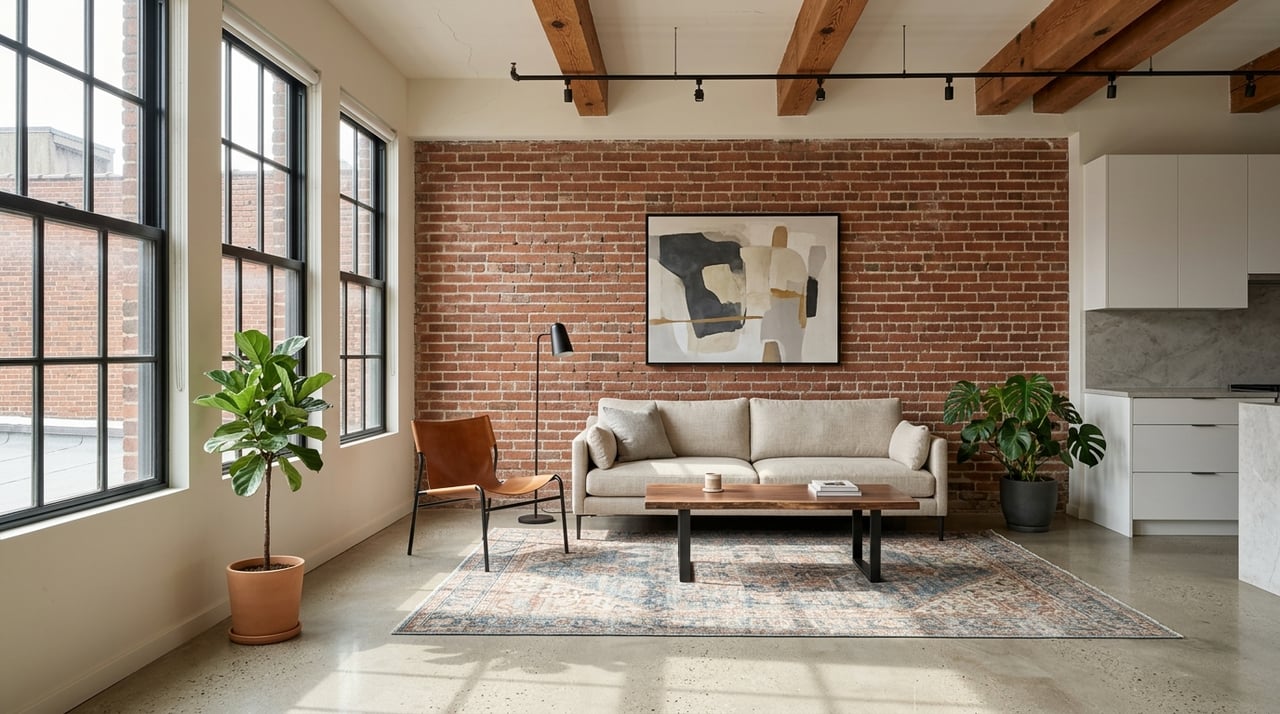
A warehouse loft usually means a converted building rather than a home originally designed as residential space. During tours, you may notice features like exposed brick, large windows, wood beams or trusses, original wood floors, and preserved industrial details.
This style can appeal to buyers who want lock-and-leave convenience, less yard maintenance, and a more city-centered way of living. It is a very different experience from owning a cottage or shotgun, so understanding that lifestyle difference upfront is helpful.
Historic districts can affect renovations
One of the biggest practical details for out-of-town buyers is historic district status. In New Orleans, exterior work on buildings in local historic districts and on designated landmarks requires a Certificate of Appropriateness from the city.
That review can apply to repairs, alterations, additions, demolition, relocation, new construction, fencing, and paving. The city also adds a 50% surcharge to permit and plan-check fees for this process.
This does not change a property’s use or zoning, but it does regulate exterior changes. If you are buying a home with plans to update the façade, replace windows, rework a porch, or make other visible changes, this should be part of your budget and timeline planning from day one.
What ownership may involve
Historic New Orleans homes can be incredibly rewarding to own, but they often need careful maintenance. The local climate is hot and humid, which can trap moisture in walls and contribute to mold, wood rot, and insect activity.
Termites are another serious concern. The LSU AgCenter identifies the Formosan subterranean termite as especially destructive and notes that major structural damage can happen quickly if a problem goes untreated.
Masonry also deserves attention in older homes. Pre-World War I brick can last for centuries with regular inspection and tuckpointing, but non-permeable paints and sealants can trap moisture, and changes to interior framing in brick structures can affect stability.
For buyers, this means due diligence matters. A beautiful historic home may still be a smart purchase, but you will want a clear picture of recent roof, moisture, termite, and masonry work before you move forward.
Flood planning should be part of your search
Flood preparedness is a must in New Orleans, no matter which home style you prefer. NOLA Ready states that flooding can happen anytime in the city, and standard homeowners or renters insurance usually does not cover flood damage.
Flood insurance also takes 30 days to go into effect. That is an important timing detail for buyers who are comparing monthly payment scenarios and planning their move.
The city also recommends considering elevation for both homes and utilities. When you are evaluating a property from out of town, flood insurance costs and elevation-related considerations should be discussed as early as possible, not after you fall in love with the house.
How to search smarter from out of town
A good New Orleans home search often starts with the style first and the neighborhood second. Because the same architectural form can appear in more than one area, searching by home type can help you uncover options you might have missed.
Useful listing terms include:
- Creole cottage
- shotgun house
- double shotgun
- camelback shotgun
- double-gallery house
- American townhouse
- Creole townhouse
- Warehouse District loft
- historic district
- adaptive reuse
You can also layer in a condition term to narrow the field. For example, you might search by style plus neighborhood plus words like renovated, updated, historic, or investment opportunity depending on your goals.
What to notice during tours
Architecture can help you predict how a home will function in daily life. Even before you get into finishes and staging, the form itself can tell you a lot.
Here is a simple way to read what you are seeing:
- Shotgun house: linear layout, connected rooms, less privacy
- Camelback: shotgun layout with added rear upper-level space
- Double-gallery house: more porch space and a more formal street presence
- Warehouse loft: converted-building lifestyle with less yard to maintain
- Creole cottage: compact historic footprint with a more traditional room sequence
When you tour, pair those visual cues with smart follow-up questions. Ask whether the home is in a local historic district, what exterior changes have already been approved, whether there is evidence of recent termite or moisture work, and whether flood insurance is already factored into the monthly cost.
Turning architecture into strategy
The goal is not to memorize every New Orleans building type before you buy. It is to use architecture as a practical tool that helps you search more efficiently, compare homes more clearly, and understand the tradeoffs of each option.
That is especially helpful when you are relocating and making decisions on a tighter timeline. The right label can quickly tell you whether a listing is likely to match your lifestyle, renovation appetite, and long-term plans.
As a New Orleans native, I believe the best home search here blends local architecture knowledge with smart strategy. When you understand how these homes live, not just how they look, you can make more confident decisions from the very beginning.
If you’re planning a move and want help narrowing down the right home style, neighborhood fit, and search strategy, schedule a free consultation with Kathryn Stalter.
FAQs
What is a shotgun house in New Orleans?
- A shotgun house is a long, narrow home with rooms arranged one after another and very little hallway space, a common New Orleans form from the 1830s to the 1940s.
What does camelback mean in a New Orleans home listing?
- A camelback is a shotgun-style house with a second story added at the rear to create more living space while keeping the front profile lower.
What is a Creole cottage in New Orleans?
- A Creole cottage is an early New Orleans house type, usually one story, with a symmetrical four-opening front, a steep side-gabled roof, and a compact historic layout.
What is a double-gallery house in New Orleans?
- A double-gallery house is typically a two-story home on low brick piers with covered galleries on both levels and an asymmetrical façade.
Do historic district rules affect New Orleans home renovations?
- Yes. Exterior work on properties in local historic districts and on designated landmarks requires a Certificate of Appropriateness from the city.
Does flood insurance matter when buying a home in New Orleans?
- Yes. NOLA Ready states that standard homeowners insurance usually does not cover flood damage, and flood insurance takes 30 days to take effect.
What should out-of-town buyers ask when touring New Orleans homes?
- Ask if the property is in a local historic district, what exterior work has been approved, whether there is evidence of recent termite, roof, moisture, or masonry work, and how flood insurance affects the monthly payment.