If you are deciding between Metairie and New Orleans, you are not just choosing an address. You are choosing a daily rhythm, a housing style, and the kind of routine that will feel right once the excitement of moving settles into real life. The good news is that both offer strong options, and the best fit usually comes down to your priorities more than the city label alone. Let’s dive in.
Start With Lifestyle First
The biggest difference between Metairie and New Orleans is often suburban versus urban living.
Metairie generally offers a more car-first, subdivision-oriented feel. New Orleans, especially in its core neighborhoods, offers more variety, from dense historic districts to condo-heavy urban areas to neighborhoods that feel a bit more residential and spread out. That means your decision is often less about which place is "better" and more about which daily experience fits you best.
If you want easier parking, a quieter pace, and a routine built around driving, Metairie may feel natural. If you want more street life, more historic character, and the ability to walk or use streetcars in some neighborhoods, New Orleans may be the stronger fit.
Compare the Housing Picture
A common assumption is that Metairie is always more affordable than New Orleans. The data tells a more nuanced story.
According to Census QuickFacts for Metairie, the median owner-occupied home value is $327,500, compared with $315,700 in New Orleans city. Recent market data also puts Metairie at about $333,000 median sale price, while New Orleans city sits around $306,000.
That said, New Orleans is highly neighborhood-specific. Some neighborhoods come in well below citywide figures, while others are far above them. So if you are comparing costs, it helps to compare Metairie versus specific New Orleans neighborhoods, not Metairie versus the city as a whole.
New Orleans Prices Vary by Neighborhood
One of the most important things to understand is how wide the price range can be inside New Orleans.
Recent Redfin neighborhood data shows Gentilly around $265,000, Mid-City around $284,500, French Quarter around $409,750, Warehouse District around $459,500, and Uptown & Carrollton around $504,500. That range makes it clear that your options inside New Orleans can look very different depending on the neighborhood and property type you choose.
So if your budget is in the low-$300,000s, some New Orleans neighborhoods may fit comfortably while others may not. If you are shopping in the $450,000 to $500,000-plus range, more central and premium New Orleans neighborhoods may come into play.
Think About Your Commute Style
On paper, commute times are very close.
Census data shows mean travel time to work at 21.7 minutes in Metairie and 22.6 minutes in New Orleans. But the way that commute feels can be very different depending on where you live and how you prefer to move through your day.
In Metairie, driving is usually the default. Redfin’s Metairie community overview notes a Walk Score of 54 and describes the area as best navigated by car.
In parts of New Orleans, you may have more transportation options. The city’s streetcar system connects key areas such as the CBD, Uptown, Carrollton, and Mid-City, and some neighborhoods are much more walkable. Redfin describes the French Quarter, for example, as supremely walkable with a Walk Score of 97.
If you want your car to be part of nearly every errand, Metairie may feel straightforward. If you want walking or streetcar access to be part of your routine, certain New Orleans neighborhoods may feel like a better match.
Compare Home Styles and Character
Your ideal home style can also point you toward the right area.
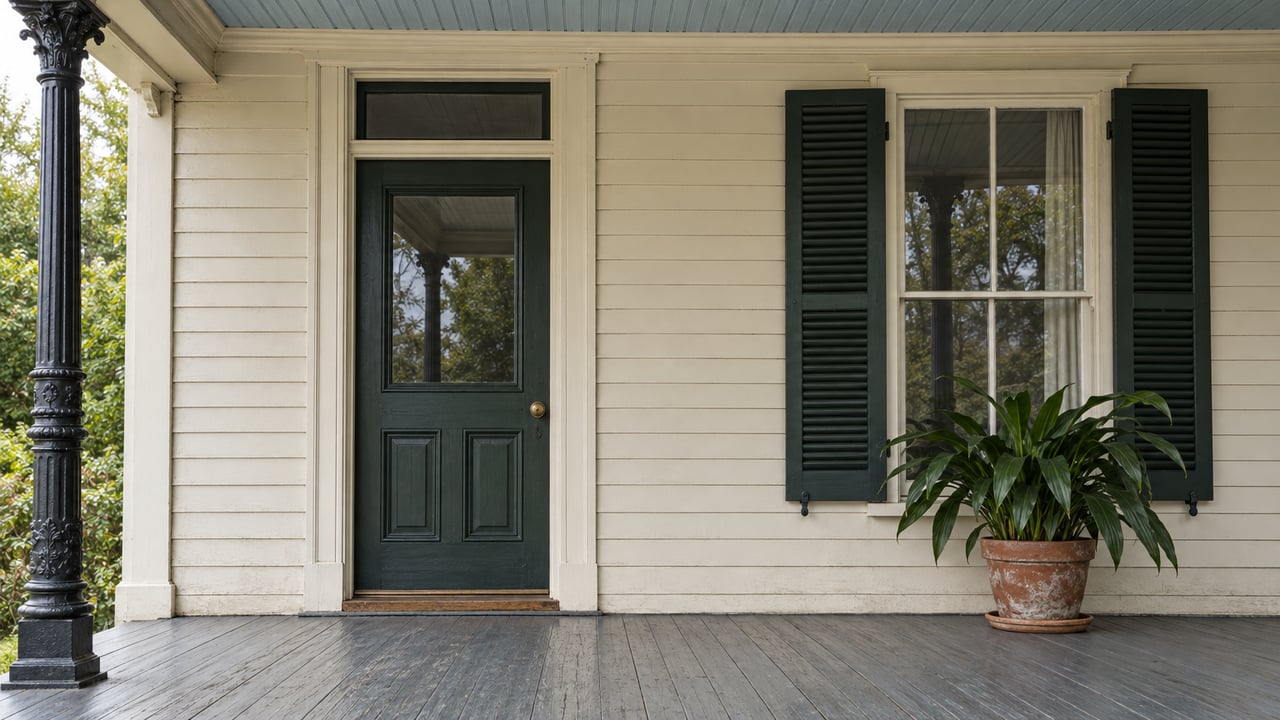
Metairie often appeals to buyers looking for established single-family neighborhoods, including ranch-style homes and more traditional suburban layouts. The housing stock tends to support buyers who want a more conventional lot-and-driveway setup and a layout that feels familiar and practical.
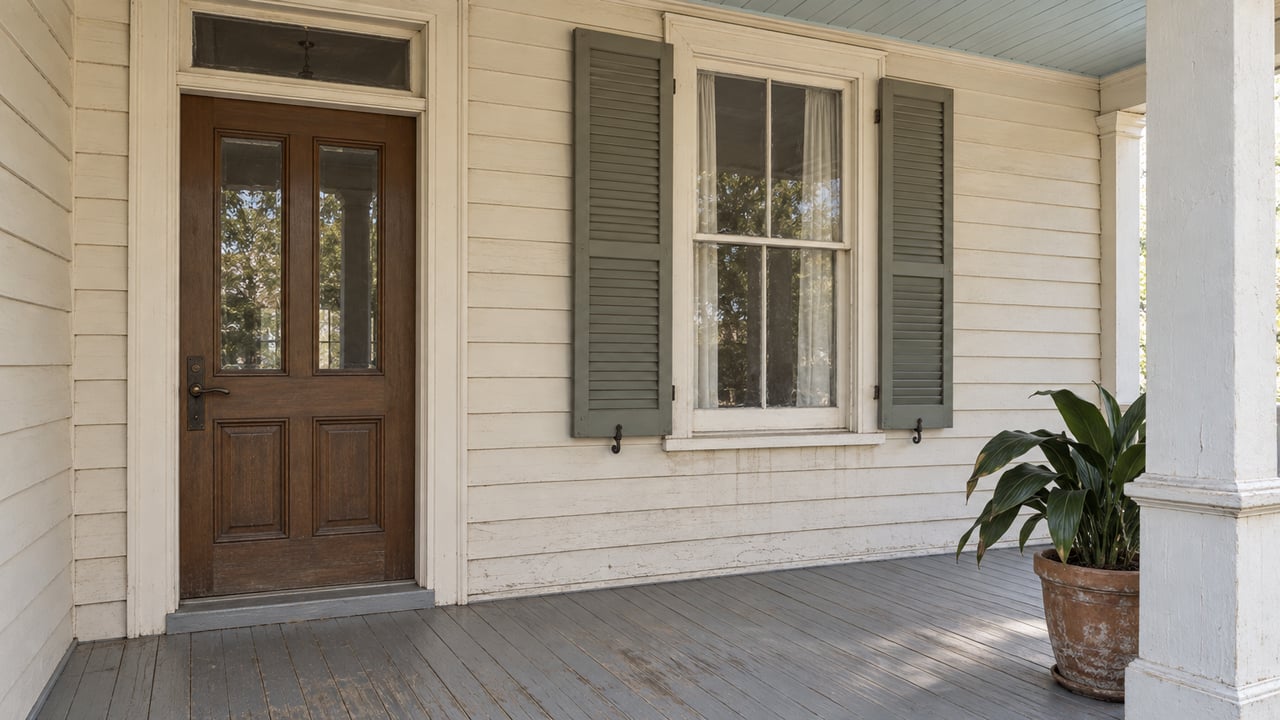
New Orleans offers far more architectural variety. According to New Orleans & Company’s guide to local architectural styles, common home types include raised center-hall cottages, shotguns, double-galleries, and Creole townhouses.
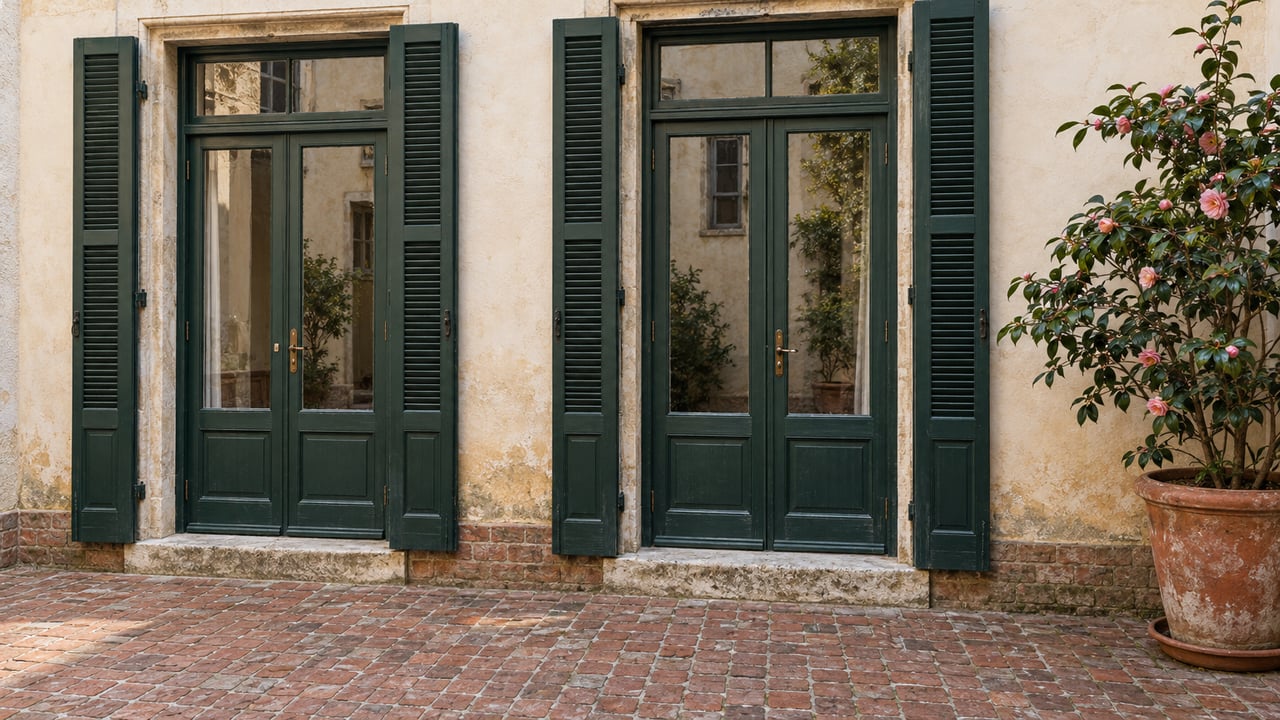
That variety also shows up by neighborhood. Mid-City includes historic shotgun houses, Craftsman homes, and modern condos. Uptown includes historic mansions, Victorian homes, and condos. The French Quarter is known for historic townhouses and apartments, while the Warehouse District features loft-style condos and apartments.
If architecture and historic character are high on your list, New Orleans gives you more options. If you want a more suburban home format, Metairie may offer the easier fit.
Consider a Bridge Option Like Gentilly
If you feel torn between the two, Gentilly is worth a closer look.
Redfin’s New Orleans neighborhood guide describes Gentilly as having a suburban feel, with mainly single-family homes and townhouses that include mid-century modern and ranch-style examples. Its recent median sale price of about $265,000 also puts it in a different price conversation than areas like Uptown or the French Quarter.
For some buyers, Gentilly offers a useful middle ground. You can have a New Orleans address and neighborhood character while still getting a more residential feel than some of the city’s denser, more tourism-driven, or more premium-priced areas.
Ask the Right Questions
When clients are deciding between Metairie and New Orleans, I usually suggest focusing on a few practical questions.
Where Will You Spend Most of Your Time?
Think about how often you need to be in the CBD, Uptown, Mid-City, or Jefferson Parish. A location that looks good on a map may not feel as convenient once you factor in your regular work, social, and errand patterns.
How Do You Want to Move Through the Day?
Do you want a car-first routine, or do you want walkability and streetcar access to shape your daily life? This may matter more than the posted commute time.
What Kind of Home Do You Want?
Be honest about the property itself. Are you looking for a condo, a loft, a historic home, a ranch-style house, or something that blends city access with a more residential setting?
What Does Your Budget Support?
New Orleans can offer both lower and higher price points depending on the neighborhood. Metairie is not automatically the lower-cost option, so it is important to compare actual neighborhoods and property types instead of relying on assumptions.
What Matters More Day to Day?
Some buyers prioritize parking, lot size, and a quieter rhythm. Others care more about dining access, urban character, historic architecture, and being close to the energy of the city. Neither approach is right or wrong, but clarity helps.
Which Buyers Often Prefer Metairie
Metairie often works well if you want:
- A more suburban setting
- A car-based routine
- Established single-family neighborhoods
- Easier day-to-day parking
- A lifestyle that feels a bit more spread out
It can be a strong match if convenience and a calmer physical layout matter more to you than walkability or historic urban character.
Which Buyers Often Prefer New Orleans
New Orleans often works well if you want:
- More architectural variety
- Greater neighborhood-by-neighborhood personality
- Walkable pockets and streetcar access in some areas
- More urban energy and street life
- Options ranging from condos to historic homes
It can be especially appealing if lifestyle, culture, and architecture are central to how you want to live, not just where you want to sleep at night.
The Best Choice Is the One That Fits Your Priorities
In the end, this decision is not really Metairie versus New Orleans in the abstract. It is about how you want your home, your neighborhood, and your routine to work together.
Metairie may give you the suburban ease you want. New Orleans may offer the character, walkability, or architectural depth you have been looking for. And in some cases, a bridge neighborhood like Gentilly may give you a bit of both.
The key is to compare commute patterns, housing styles, and daily lifestyle before you compare labels. If you want help narrowing down the right fit for your goals, budget, and preferred way of living, you can schedule a free consultation with Kathryn Stalter.
FAQs
What is the main difference between living in Metairie and living in New Orleans?
- The main difference is usually lifestyle. Metairie tends to feel more suburban and car-first, while New Orleans offers a wider mix of urban, historic, walkable, and neighborhood-specific living experiences.
Is Metairie more affordable than New Orleans for homebuyers?
- Not always. Available data shows Metairie slightly above New Orleans citywide on some recent price measures, while New Orleans neighborhood prices vary widely from area to area.
Which area has a better commute, Metairie or New Orleans?
- Average commute times are similar, but the experience differs. Metairie is generally more car-dependent, while some New Orleans neighborhoods offer more walking and streetcar access.
What home styles can you find in Metairie compared with New Orleans?
- Metairie often features ranch-style and traditional single-family homes in established neighborhoods. New Orleans offers a broader mix, including shotguns, Creole townhouses, historic homes, lofts, and condos.
Is Gentilly a good alternative if you cannot choose between Metairie and New Orleans?
- Gentilly can be a strong middle-ground option for buyers who want a New Orleans address with a more residential feel and generally lower pricing than some core city neighborhoods.