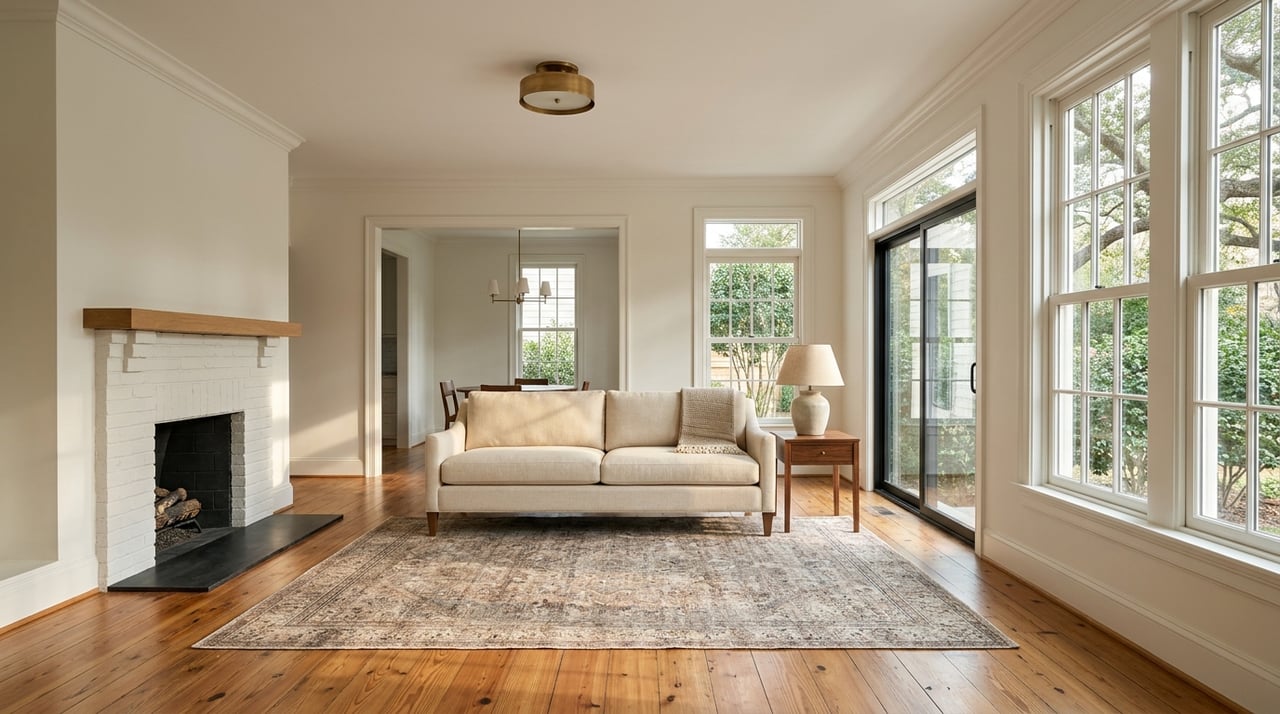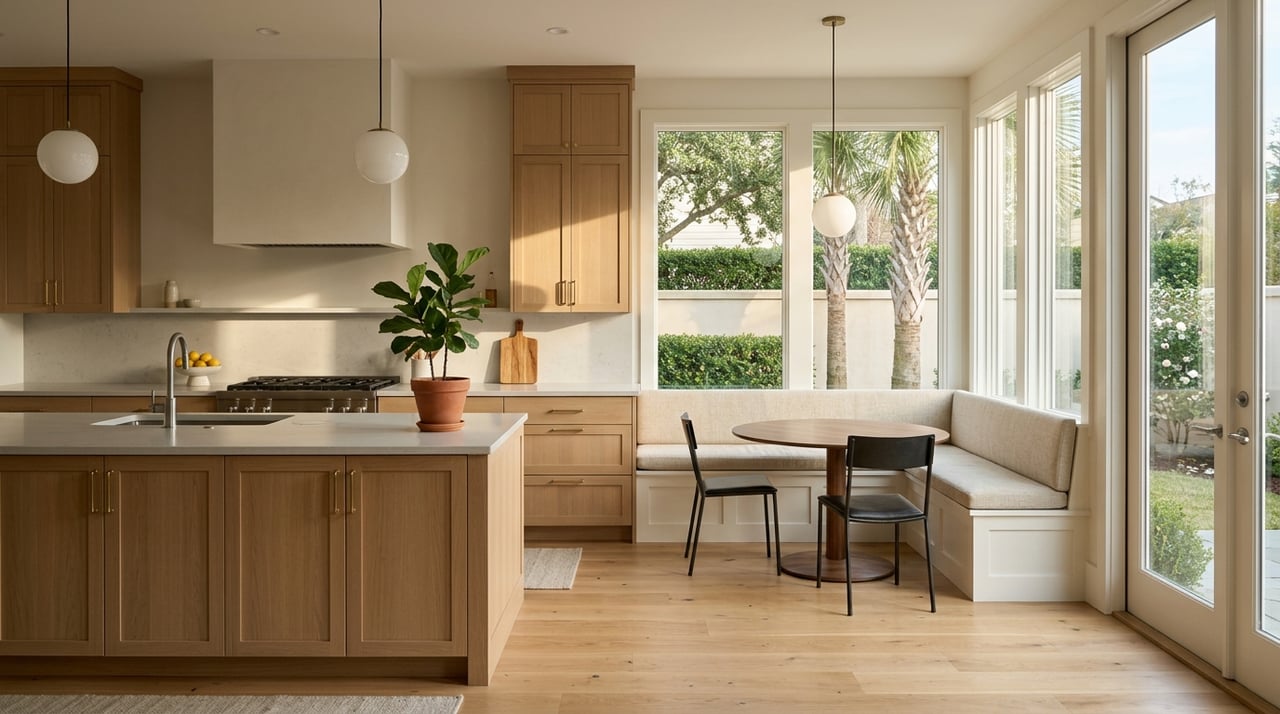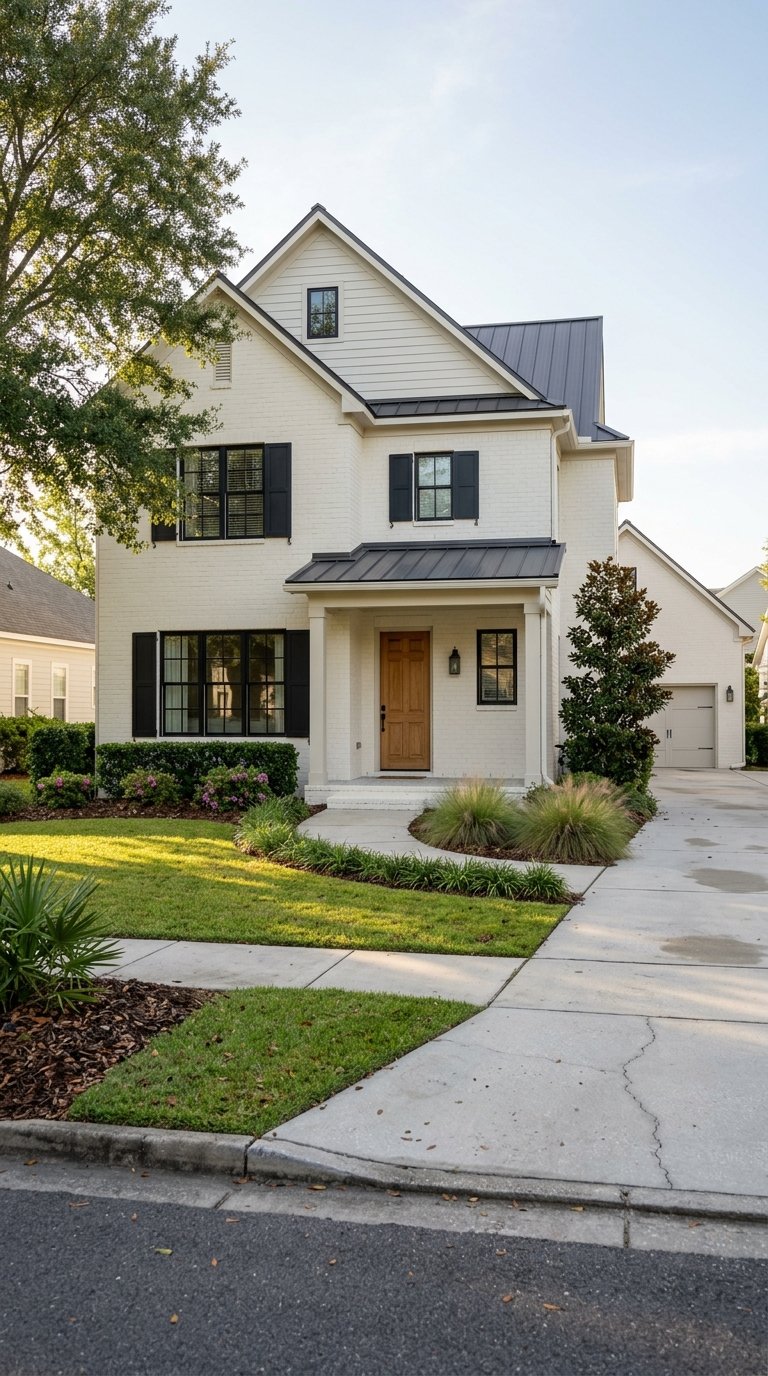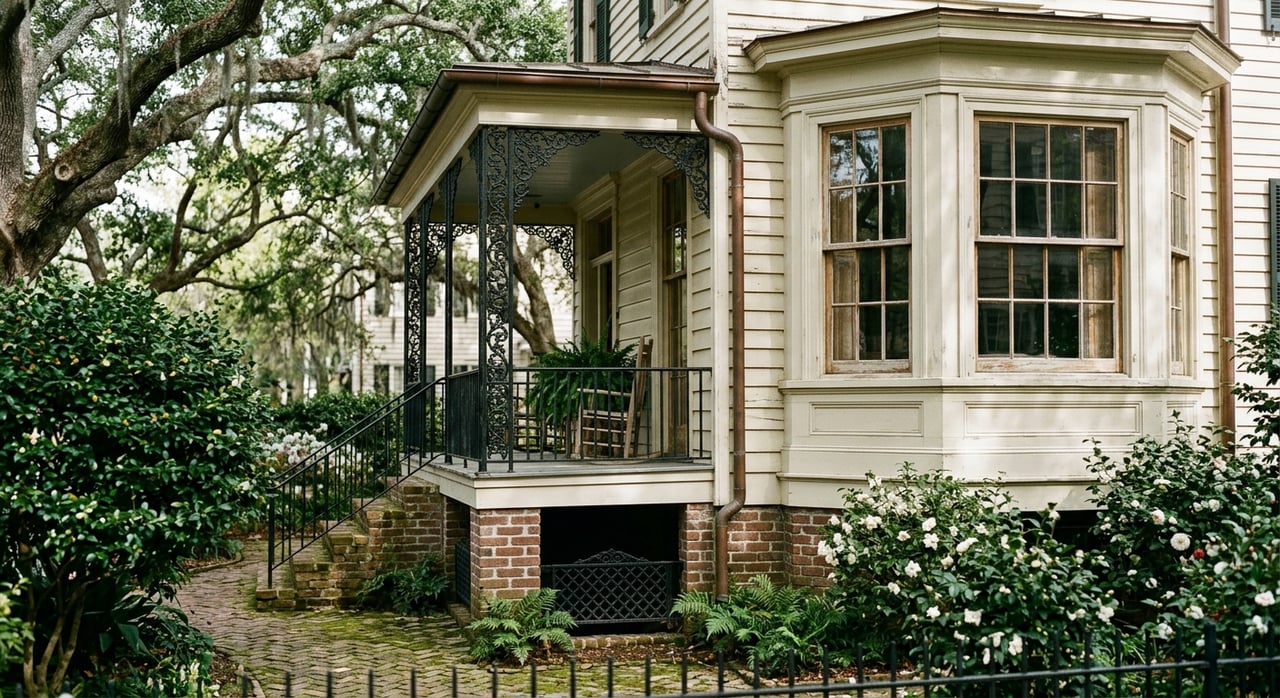
Buying a historic home can feel equal parts exciting and intimidating, especially in a neighborhood as visually distinctive as Alexandria’s Garden District. You may be drawn to the architecture, mature landscaping, and old-house character, while also wondering what comes with owning a property in a historic district. This guide will help you understand what to verify before you buy, what to inspect more closely, and how to plan for smart long-term ownership. Let’s dive in.
Why Garden District Homes Stand Out
Alexandria’s Garden District is the city’s largest local historic district. It is generally bounded by Bolton Avenue, Lee Street, Vance Avenue, Hynson Bayou, and Monroe Street, and much of the neighborhood developed between about 1905 and 1950.
The area is known for early-20th-century architecture, especially Craftsman and Colonial Revival homes. District documentation also notes Queen Anne, Tudor Revival, Mediterranean Revival, English Cottage, and French Eclectic styles, along with streetscape details like mature vegetation and historic brick paving.
That variety is part of the appeal, but it also means no two purchases are exactly alike. Some homes have more intact original features than others, and not every property in the district carries the same historic significance.
Verify the Home’s Historic Status
One of the biggest mistakes buyers make is assuming that every home in a historic neighborhood is regulated the same way. In Alexandria, the exact status of the property matters more than the neighborhood label alone.
The city says local historic district boundaries and National Register district boundaries often overlap, but they are not the same thing. National Register designation is largely honorific and does not by itself restrict the use, sale, or ordinary changes to a property.
At the same time, Alexandria’s code states that if a structure is classified historic by the city council, a certificate of appropriateness is required before a permit can be issued for demolition or for renovation, alteration, or repair. That is why you will want to confirm the parcel’s exact status before you close.
Questions to ask early
- Is the property in the local historic district, the National Register district, or both?
- Is the home listed as contributing or noncontributing in district documentation?
- Has the property been separately classified historic by the city council?
- Are there prior preservation approvals, permit records, or renovation documents on file?
These details can shape what future projects look like, how repairs may be approached, and what paperwork you may need later.
Understand What “Historic” Really Means
A historic district designation does not mean every house is frozen in time. In the Garden District, district records include both contributing and noncontributing resources, which is a useful reminder that homes can vary widely in how much original character remains.
For you as a buyer, that distinction matters. A contributing home may carry stronger expectations around preserving visible historic features, while a noncontributing property may have already been altered significantly over time.
This is also where prior work matters. If a kitchen, siding, windows, porch, or roofline has already been changed, you will want to know what was done, when it was done, and whether permits or approvals were involved.
Look Closely at Renovation History
Historic homes often tell their story through layers of updates. Some changes improve livability without affecting character, while others can create future cost or approval issues.
If a Garden District home may fall under rehabilitation review, Louisiana preservation guidance generally favors repair over replacement. Historic windows are typically expected to be retained and repaired rather than replaced, replacement siding on the front facade is not favored, and approaches like spray foam insulation and abrasive cleaning are rarely approved.
In practical terms, that means your renovation budget may need to focus on restoring visible architectural elements while modernizing hidden systems behind the walls. It is wise to review prior invoices, contractor notes, and permit records whenever they are available.
What to review before closing
- Seller disclosures and renovation summaries
- Permit history for major exterior or structural work
- Any preservation review or approval documents
- Receipts or reports for roof, plumbing, electrical, HVAC, and foundation work
- Notes on original materials that were repaired, replaced, or removed
Inspect for Moisture First
Older homes can be incredibly durable, but moisture is often the issue that causes the most trouble over time. Preservation guidance notes that uncontrolled moisture is the most common cause of deterioration in older and historic buildings.
A weather-tight roof is one of the most important things to check. You will want clear information on roof age, flashing condition, past leaks, and whether gutters and downspouts are moving water away from the structure properly.
It also helps to look beyond the roofline. Pay attention to drainage around the site, crawlspace or foundation dampness, staining on ceilings or walls, soft wood, peeling paint, and recurring trouble spots around windows, masonry, and exterior trim.
Moisture checklist for buyers
- Roof age and visible condition
- Flashing around chimneys, vents, and roof transitions
- Gutter and downspout function
- Drainage away from the home
- Signs of crawlspace or foundation dampness
- Water staining, rot, or repeated patching
Plan for Termite Risk in Louisiana
In Louisiana, termite due diligence should never be an afterthought. The state’s warm, humid climate is ideal for termites, including Formosan subterranean termites, so pre-purchase review deserves extra attention.
The LSU AgCenter recommends annual inspections in high-risk areas like Louisiana and advises buyers to hire a licensed pest-management professional for a Wood-Destroying Insect Report. It also cautions that a report showing no visible signs does not prove a structure is termite-free.
Ask about prior treatment history, any active warranty coverage, and whether there are areas of soil-to-wood contact. Visible mud tubes, discarded wings, or damaged wood all deserve follow-up before you move forward.
Don’t Overlook Lead Paint Rules
Because much of the Garden District developed before 1978, many homes may contain lead-based paint. That does not automatically make a property unsafe, but it does make disclosure and renovation planning important.
For most housing built before 1978, buyers have the right to receive lead disclosure information and a 10-day period for inspection or risk assessment unless that right is waived. If you are considering sanding, repainting, or window work after purchase, this becomes even more relevant.
Lead-safe planning matters most when paint is deteriorating or when renovation work will disturb old painted surfaces. Make sure those disclosure documents and inspection timelines are addressed clearly during your contract period.
Know the Tax Incentive Limits
Historic-home tax benefits are often misunderstood, especially for owner-occupants. A lot of buyers assume there is a broad tax credit available simply because a home is old or located in a historic district.
In Louisiana, the federal 20% Historic Rehabilitation Tax Credit is for income-producing buildings, not ordinary owner-occupied single-family homes. The Louisiana state residential historic tax credit expired on December 31, 2017.
The main broadly applicable state benefit for an owner-occupied home is the Restoration Tax Abatement Program, which may freeze the assessed value of improvements for five years. However, it is not automatic and must be approved by the local taxing authority.
If you think a purchase or renovation plan may intersect with a tax benefit or preservation review, involve a tax adviser, legal counsel, or both before closing. That step can help you avoid costly assumptions.
Budget for Ongoing Ownership
A historic home usually rewards steady care more than one major makeover. If you buy in the Garden District, it is smart to think in terms of routine maintenance, seasonal checks, and gradual upgrades.
That often means keeping the roof tight, cleaning gutters, watching site drainage, repairing wood before deterioration spreads, monitoring for moisture intrusion, and scheduling periodic pest inspections. In a house with original materials, early repairs are usually more cost-effective than waiting for visible failure.
This approach also tends to protect the home’s character. Preservation guidance generally encourages diagnosing the problem first and repairing historic materials where possible instead of replacing them too quickly.
A Smart Due Diligence Strategy
If you love historic architecture, buying in the Garden District can be deeply rewarding. The key is pairing that excitement with careful, property-specific due diligence.
Start with the home’s exact historic status, then move into permit history, renovation records, and a detailed inspection strategy focused on moisture, termites, roof condition, and lead-paint disclosures when applicable. When you understand what you are buying and what it may need next, you can make a confident decision with fewer surprises after closing.
If you are considering a historic or character home and want a clear, strategy-first approach, Kathryn Stalter can help you evaluate the details, compare your options, and move forward with confidence.
FAQs
What makes Alexandria’s Garden District historically significant?
- Alexandria’s Garden District is the city’s largest local historic district and developed mainly from about 1905 to 1950, with architecture that includes Craftsman, Colonial Revival, Queen Anne, Tudor Revival, Mediterranean Revival, English Cottage, and French Eclectic styles.
What should buyers verify about a Garden District home’s historic designation?
- You should confirm whether the property is in the local historic district, the National Register district, or both, whether it is contributing or noncontributing, and whether it has been separately classified historic by the city council.
Do historic district rules in Alexandria apply to every home the same way?
- No. The exact parcel status matters, and a home’s location in the neighborhood does not automatically mean it is regulated the same way as every other property.
What inspection issues matter most for a historic Garden District house?
- Moisture, roof condition, drainage, crawlspace or foundation dampness, termite risk, and lead-paint disclosure and inspection timing for homes built before 1978 are some of the most important items to review.
Are there historic tax credits for owner-occupied homes in Louisiana?
- The federal 20% Historic Rehabilitation Tax Credit is for income-producing buildings, not ordinary owner-occupied single-family homes, and Louisiana’s state residential historic tax credit expired in 2017. A possible owner-occupant benefit is the Restoration Tax Abatement Program, but it is not automatic and requires approval.
Why does renovation history matter when buying a historic Alexandria home?
- Renovation history can show what original features were repaired or replaced, whether prior work may affect future approvals, and what hidden costs or maintenance needs could carry over after closing.